Creative Architectural Solutions: Unlocking the Benefits of Expert Architecture Services
Revolutionary architectural designs play an essential role in shaping today's built environments. By prioritizing eco-conscious functionality, building professionals can craft areas that resonate with community needs. Incorporating sustainable materials and advanced technologies improves energy performance while encouraging community engagement. As these designs evolve, they accommodate the needs of inhabitants and embrace community identity. A key inquiry persists: how do these components unite to transform our built environments and elevate human well-being?
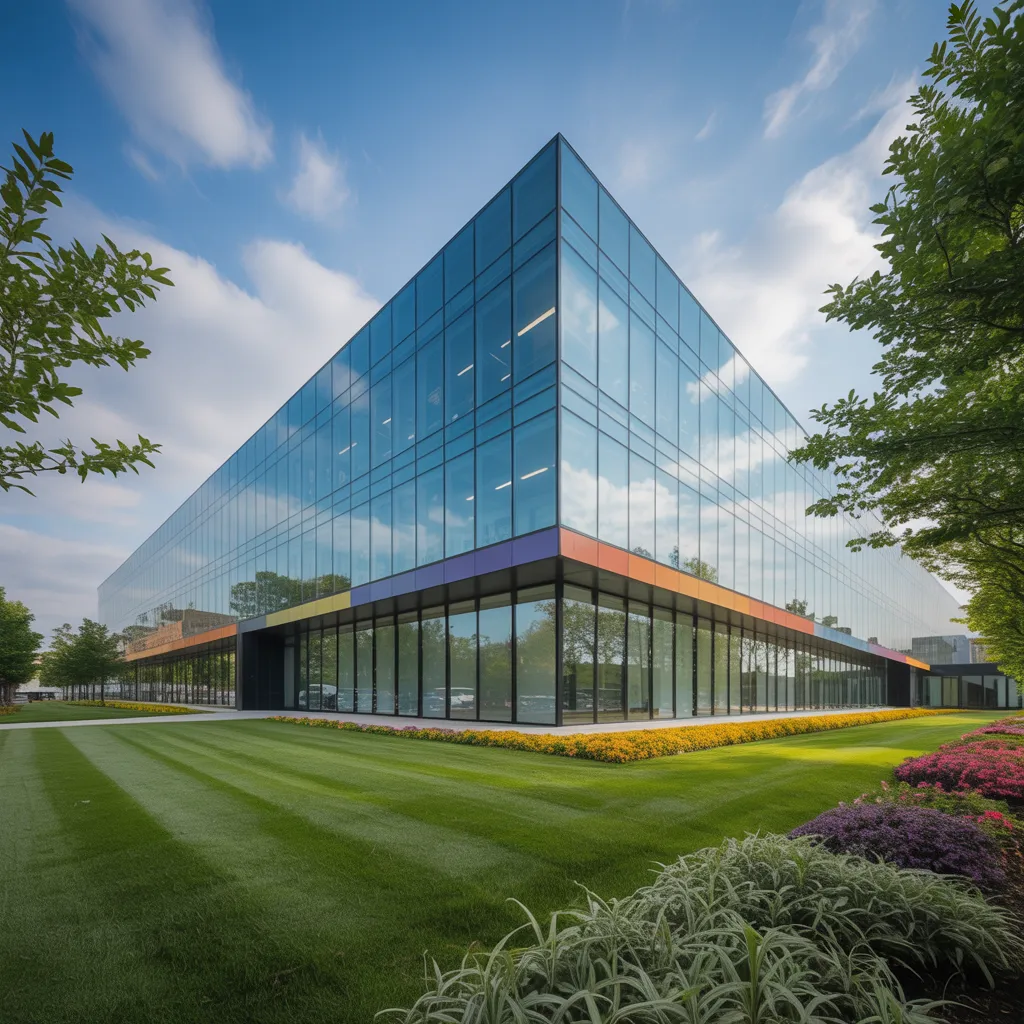
The Role of Architects in Creating Sustainable Spaces
Architects hold an essential role in the advancement of sustainable built environments, substantially influencing the ecological footprint of architectural landscapes. Their knowledge enables the integration of sustainable materials, energy-saving systems, and innovative design principles that limit resource expenditure. By prioritizing sustainability, architects can create structures that lower carbon emissions and enhance energy performance.
Cooperation with environmental specialists and engineers is crucial in this process, ensuring that both aesthetic and functional criteria are met by designs while maintaining eco-friendly standards. Moreover, architects take into account the surrounding ecosystem, encouraging biodiversity and integrating natural features that cultivate a symbiotic bond between built and natural environments.
Through deliberate strategy, architects champion the use of renewable energy sources, such as wind or solar energy, which further reinforces sustainable objectives. Ultimately, their role extends beyond mere construction; architects shape the future of urban landscapes by cultivating a dedication to responsible design and environmental stewardship.
Leading Innovations in Architectural Design That Boost Functionality
A wide range of developments in building design are redefining functionality in modern spaces. One significant breakthrough is the implementation of advanced technology, permitting buildings to cater to the demands of their users through automated lighting, climate control, and security systems. This improvement leads to greater energy savings and enhanced occupant comfort.
Furthermore, modular construction techniques are gaining traction, facilitating more rapid construction and improved design adaptability. These structures can be easily reconfigured or expanded, making them well-suited for diverse purposes.
Biophilic design, that integrates elements of nature into building design, promotes well-being and productivity, fostering a connection between occupants and their surroundings.
Moreover, open floor plans have become increasingly popular, creating versatile spaces that can accommodate a variety of activities.
Lastly, sustainable materials are being utilized not only for their sustainability but also for their aesthetic appeal and durability, improving the overall performance of contemporary buildings. These innovations collectively contribute to more adaptable and efficient architectural solutions.
How Design Unites Communities
Architecture serves a fundamental purpose in nurturing bonds within neighborhoods, developing spaces that promote interaction and collaboration among inhabitants. Thoughtfully designed green spaces, public squares, and communal areas serve as essential meeting points, encouraging public participation and a feeling of community. Design elements such as open layouts and adaptable environments provide avenues for local activities and activities, elevating the overall quality of life.
Moreover, designs that incorporate regional culture and history cultivate a distinctive identity, enabling residents to develop a stronger connection to their environment. By emphasizing accessibility and inclusivity, architects guarantee that every person, regardless of age or physical ability, can participate in community life.
The incorporation of natural features, such as parks and leisure spaces, additionally elevates the neighborhood experience, giving residents a retreat and an area for mutual enjoyment. Ultimately, thoughtful architectural design not only shapes physical spaces but also nurtures the relationships that bind communities together.
Boosting Energy Efficiency Through Expert Architecture
A notable change in favor of sustainable energy use is transforming the architecture landscape, fueling the development of groundbreaking solutions that reduce ecological footprint. Expert architecture services play an essential role in this change by embedding green methodologies into design. These architects evaluate energy usage trends and employ cutting-edge materials, such as high-performance insulation and energy-efficient windows, to decrease thermal energy demands.
Furthermore, the incorporation of sustainable energy solutions, like solar panels and geothermal systems, not only decreases dependence on fossil fuels but also lowers operating expenses for property managers. Smart building technologies continue to boost building energy efficiency, facilitating live tracking and optimization of energy consumption.
Through meticulous planning and innovative design, professional architects create spaces that not only comply with stringent environmental standards but also foster long-term sustainability. This data emphasis on energy efficiency ultimately supports a more sustainable planet and stronger communities, highlighting the essential role of architecture in tackling climate change.
Successful Urban Landscape Transformations
One notable example is the rejuvenation of neglected waterfront areas into thriving recreational areas, featuring parks, walking paths, and cultural attractions. Such transformations do more than improve the scenery, as they also invigorate local economies by bringing in tourists and business opportunities.
Beyond this, thoughtful urban planning considers the distinct characteristics of a locality, guaranteeing that every change reflects its history and identity. This individualized approach cultivates a spirit of ownership within the community, motivating care for the environment. Ultimately, successful urban landscape transformations highlight the ability of architecture to transform the urban environment and advance sustainable urban development.
Where Is Innovative Architecture Headed?
In what ways can innovative architecture keep pace with and address the changing demands of society? As cities become progressively more complex, architects are called upon to confront significant challenges like sustainability, affordability, and social equity. Innovative technologies, encompassing artificial intelligence and next-generation materials, open up new possibilities for design, supporting more effective construction processes and superior energy performance.
Furthermore, architects are consistently engaging with numerous stakeholders, from local residents to environmental specialists, making sure designs capture the values and needs of those who rely on them. This engagement-driven process promotes resilience, enabling buildings to respond to evolving environmental conditions and community needs.
Moreover, the incorporation of biophilic design concepts enhances overall well-being, connecting inhabitants with nature. As the architectural profession progresses, the focus on forward-thinking solutions will remain a top priority, propelling the industry to develop areas that are not only functional but also transformative for coming generations.
Answers to Your Most Common Questions
How Do Architects Collaborate With Engineers on Projects?
Engineers and architects work together by integrating design concepts with technical requirements, guaranteeing structural soundness and performance. Frequent meetings enhance communication, enabling both fields to tackle obstacles and improve project results through collaborative knowledge and creative approaches.
What Are the Costs Associated With Hiring an Architect?
The costs associated with hiring an architect commonly consist of design fees, project management expenses, and potential additional charges for site visits or consultations. These fees can fluctuate substantially based on project complexity and location.
How Long Does the Architectural Design Process Typically Take?
The architecture design workflow generally requires multiple months, based on project complexity and client requirements. Factors such as permits, revisions, and contractor coordination may also affect the overall timeline, frequently prolonging the timeframe significantly.
Can Architects Help With Zoning and Permit Applications?
Certainly, architects can assist with zoning and permit applications. Their professional skills help address complex regulations and secures adherence to local building codes, streamlining the process and enhancing the probability of gaining the essential approvals for projects.
What Credentials Should I Seek in an Architect?
When selecting an architect, it is important to prioritize qualifications such as education, licensing, experience in relevant projects, strong communication skills, and a portfolio showcasing creativity and problem-solving skills. Specializations may also be relevant depending on project needs.